 Return to all articles
 July 28, 2026
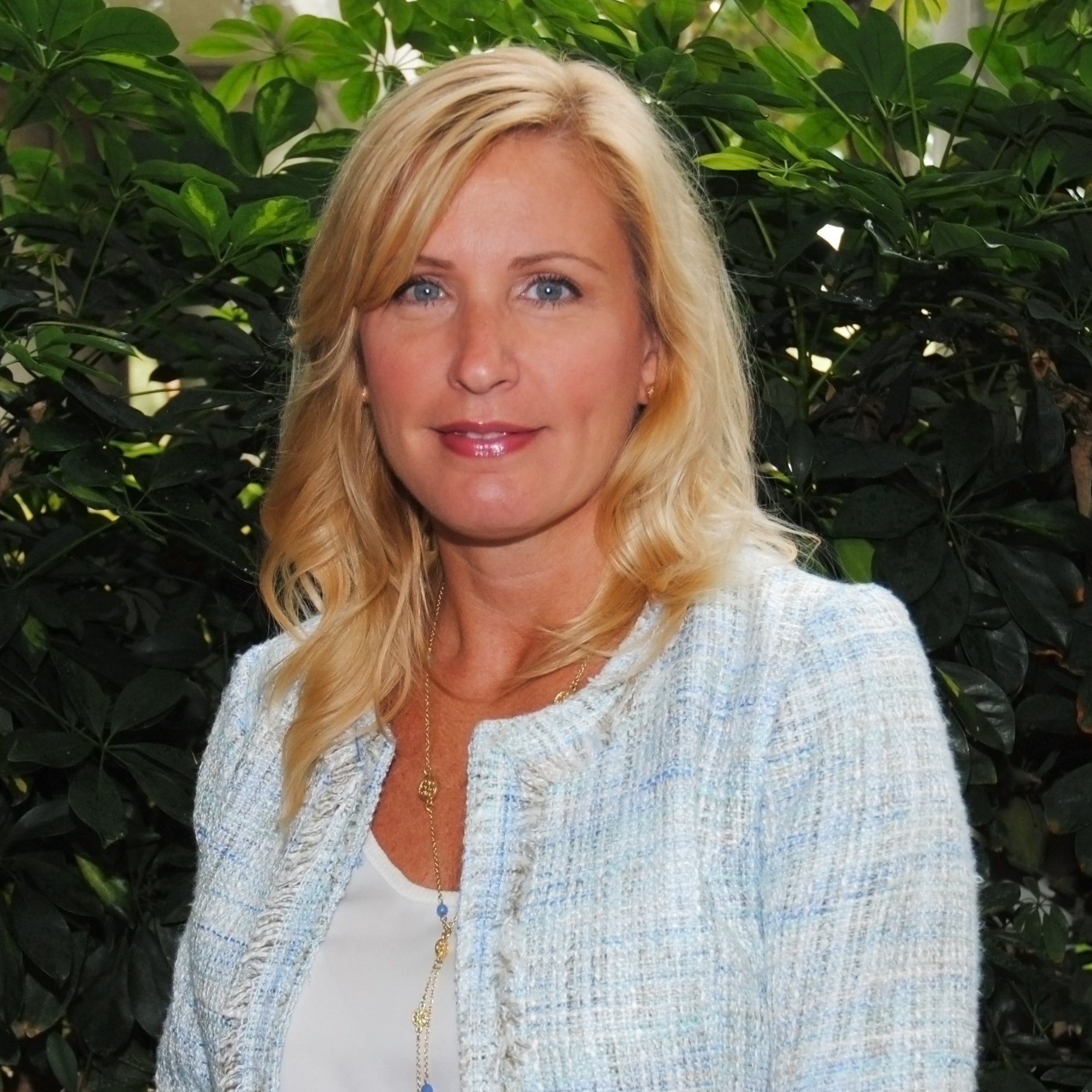
 As a professor of security studies and chair of the Political Science Department at East Carolina University®, Alethia Cook, PhD, has worked to develop an online Bachelor of Science (BS) in Security Studies program that guides students along many career paths. Some are active duty military personnel. Others have their sights set on emergency management. Still others are eyeing careers in foreign affairs, counterterrorism, federal law enforcement, and a long list of other sectors.
No matter their goals, these students and Dr. Cook share at least one commonality — they’re endlessly curious. Even after being in the field for over 30 years, Cook herself remains curious.
“I love learning stuff,” Dr. Cook said. “Today, I was learning about poisonous mushrooms in Northern California and talked to my students about whether we should call those weapons of mass destruction.”
While this may seem like an oddly specific topic, Dr. Cook has built her career on having these types of conversations, conducting research, and using her insights to inform policy at every level. She’s proof of just how far the desire to learn can take students in security studies.
Changing Plans and Chance Meetings
Dr. Cook’s career in security studies started out as a broader interest in both comparative politics and international relations. She was fascinated by the cultures and governments of other countries.
One country Dr. Cook was particularly enthralled by was France. When she first got to college, she thought she’d become a high school French teacher. However, that route didn’t satisfy her curiosity, so she decided to take some political science courses as well.
That seemingly small decision changed the course of her entire life.
As an undergrad in the spring of 1990, Dr. Cook took a class called International Defense Policy. Her professor also owned a small defense consulting firm that specialized in measuring the economic impact of arms sales.
“After the class was over, I saw him in a stairwell in our building,” Dr. Cook remembered. “He said, ‘You were in my class, weren’t you?’ I said yes. He asked how I did, and I said I earned an A. He asked if I could type. I said yes, and he offered me a job.”
Dr. Cook spent the next 17 years working for that firm with her professor as her mentor. She’d ultimately earn a bachelor’s degree in both political science and French, but with her new job, her learning wasn’t restricted to the classroom.
Making a Career Out of Asking Questions
During her time as a corporate research manager at the defense consulting firm, Dr. Cook worked to help answer big questions about drones, terrorism, and a mountain of other defense-related topics. For a dedicated lifelong learner like her, this was a dream job.
“You go from no knowledge of a subject to having a certain level of expertise,” she said. “That was one of the best things about my job.”
For example, Dr. Cook has studied corrosion. She went from only knowing about common types of corrosion, such as rust, to being well versed in advanced anticorrosion technology.
While Dr. Cook would research any topic thrown at her, she found one subject particularly challenging yet interesting: weapons of mass destruction (WMD). Given the endless issues these weapons pose, the firm was requested to research them on several occasions and even created a massive database on them.
Getting Into the Classroom
While working on these complex research projects, Dr. Cook was also continuing her education. By 1993, she had her Master of Arts (MA) in International Relations. She worked as a graduate assistant during her studies and, after graduation, transitioned into a full-time role teaching classes and advising students.
In 2006, Dr. Cook earned her PhD in Public Policy with a focus on American foreign and defense policies. With that accomplishment, she was at a crossroads.
“I had to choose whether I wanted to focus my career on defense consulting or education,” she said. “In the end, I focused on education.”
Finding Her Home at ECU
Dr. Cook remained at the university where she’d earned her master’s degree until 2007. That year, another school caught her eye.
“ECU was in the process of developing its Master of Science in Security Studies program,” she said. “As a young academic, this offered me the unique opportunity to help develop the courses and curriculum I would be teaching.”
Since then, Dr. Cook’s intimate knowledge of everything from defense spending to terrorism has made her a pillar of ECU’s Department of Political Science. Now, as the former director of the Security Studies program and the current chair of the Political Science Department at ECU, she’s been instrumental in developing the online BS in Security Studies program.
While Dr. Cook doesn’t teach courses for the online program, her ongoing love of learning has helped shape an interdisciplinary, accessible program for students with broad, security-related experience and interests. “We have helped students achieve their goals by having faculty members with expertise in security-related subjects and who genuinely care for the progress of our students,” she said. “We are dedicated to them graduating with the analytical, written, and oral communication skills that are in demand in this field.”
“Having the classes be asynchronous gives them the flexibility they need in order to be able to enroll,” she said of the students the program attracts. “They have an opportunity to engage in learning that they otherwise wouldn’t have been able to do.”
Leverage Your Interests in ECU’s Security Studies Program
Designed specifically for working students, parents, and otherwise busy professionals, ECU Online’s BS in Security Studies program offers a robust and customizable curriculum for students with all kinds of goals.
The 42-credit core curriculum is built around classes covering criminal justice, international relations, political science, and other foundational topics. Students can then select 24 credit hours of electives, such as Homeland Security, War and Society, and Security and Weapons of Mass Destruction.
To find out more about the curriculum, flexible transfer credit policies, and more, request more information today.
Recommended Readings
4 International Security Careers to Consider