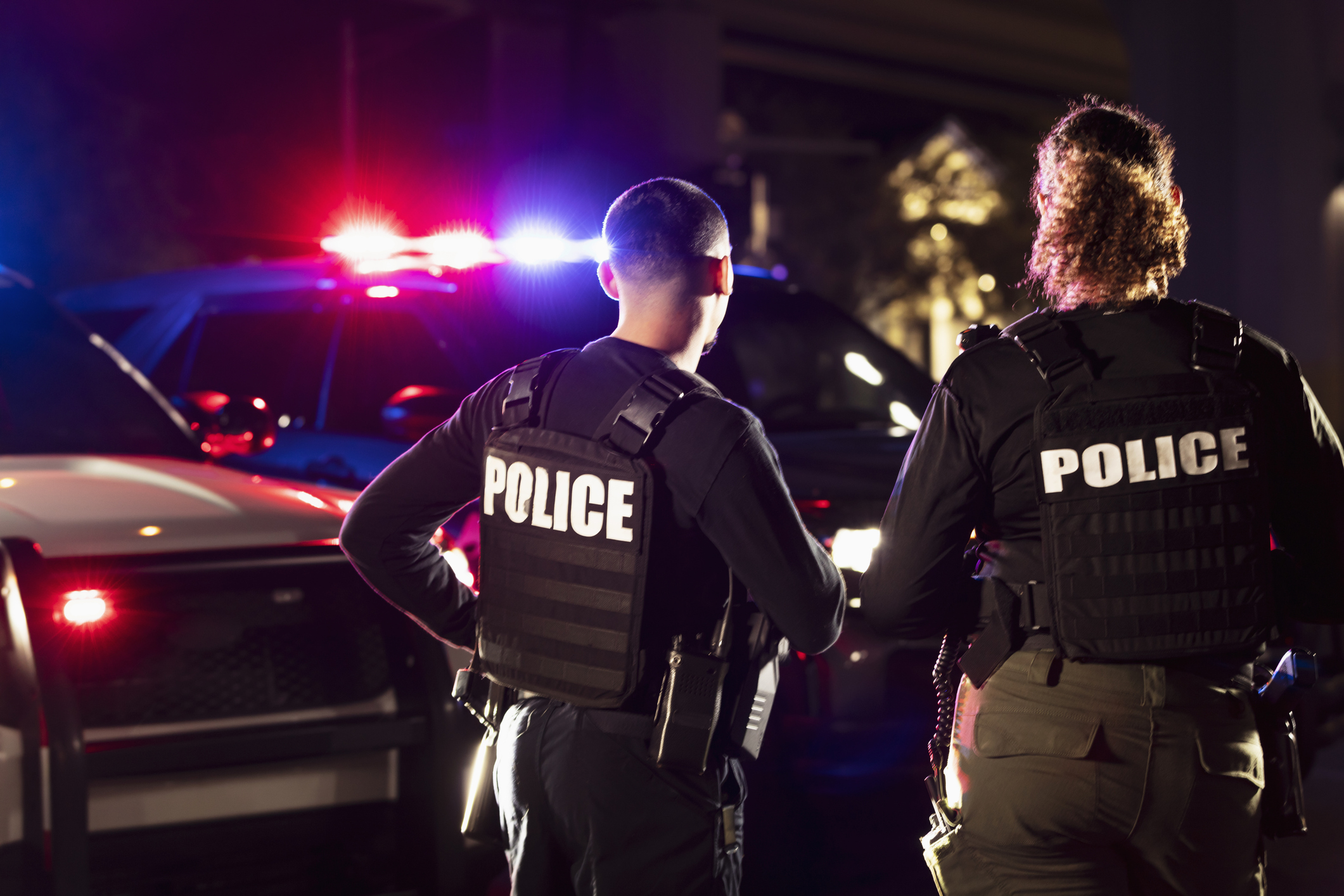
When planning a career path, many aspiring law enforcement professionals may wonder how long it takes to become a police officer. Understanding the typical timeline can help them plan financially, prepare academically, and determine whether earning a degree aligns with their long-term goals in law enforcement.
The answer varies based on the path a candidate chooses. Some candidates complete the process in just over a year, while others spend several years earning a degree before entering a police academy.
Pursuing a
criminal justice degree
can extend the timeline, but it may also expand career options by providing a deeper understanding of law enforcement and opening doors to specialized roles and advancement opportunities.
Steps to Becoming a Police Officer
Becoming a police officer involves a series of structured steps designed to assess readiness, develop relevant skills, and ensure that candidates are prepared for the unique demands of law enforcement. While some requirements are mandatory, others—such as earning a degree—are optional and can meaningfully enhance long-term career prospects.
These steps don’t all occur at the same point in the hiring process. Some steps take place before a candidate is hired, while others focus on training and evaluation and take place after a conditional job offer is made.
Step 1: Meet Basic Requirements
Most police departments require candidates to be U.S. citizens, at least 21 years old, and in possession of a high school diploma or GED certificate. Applicants must also pass a background investigation, meet physical fitness standards, and demonstrate strong communication and interpersonal skills.
Step 2: Earn a Degree (Optional)
While not always mandatory, earning a degree in criminal justice or a related field may strengthen a candidate’s qualifications. As policing increasingly emphasizes community engagement, data-driven decision-making, and legal accountability, formal education can help officers navigate complex situations more effectively. Although this step adds several years to the timeline, earning a degree provides foundational knowledge of law, criminology, and public policy and helps prepare candidates for supervisory or leadership roles over time.
Step 3: Apply to a Police Department
Candidates must submit a formal application detailing their education, work history, and personal background. This step often includes written examinations that assess reasoning, reading comprehension, and problem-solving abilities.
Step 4: Pass the Physical and Psychological Exams
Applicants must undergo physical agility tests to demonstrate their ability to handle the physical demands of police work. Psychological evaluations assess mental readiness and emotional stability, helping departments determine whether candidates are prepared for the stresses of law enforcement.
Step 5: Complete the Oral Interview and Background Investigation
Departments conduct oral interviews to evaluate judgment, ethical decision-making, and interpersonal skills. A background check reviews criminal history, employment records, financial history, and personal references.
Step 6: Attend the Police Academy
Police academy training typically lasts 12 to 24 weeks, although length and curriculum vary by state and department. Recruits receive instruction in criminal law, firearms training, defensive tactics, emergency response, and community policing. Successful completion is required before a recruit can be sworn in as a police officer.
Step 7: Field Training and Probation
New officers work under supervision during a probationary period—often called the field training or field training officer (FTO) period—which can last from six months to one year. This stage ensures that recruits can apply academy training in real-world scenarios while being evaluated on performance, decision-making, and professionalism.
How Much Time Does It Take to Become a Police Officer?
The timeline for becoming a police officer varies based on the path a candidate chooses and whether they pursue optional steps. On the fastest track, candidates who meet basic requirements and complete academy training may become police officers in one to two years. This time frame typically includes the application process, testing, academy training, and a probationary period.
If a candidate chooses to earn a bachelor’s degree before entering the academy, the process may take four to five years. Although this approach takes longer, it provides significant advantages down the line. A degree can lead to broader career opportunities, access to specialized assignments, and greater promotion potential.
In practice, how long it takes to become a police officer reflects a trade-off between entering the workforce more quickly and building credentials that support long-term career growth.
It’s also important to account for waiting periods between application stages. Background investigations, medical evaluations, and academy start dates can add several months to the process, particularly in competitive departments or large metropolitan areas.
Criminal Justice Degree’s Role in a Police Officer’s Career
Formal education offers distinct advantages beyond police academy training. Most notably, a criminal justice degree can:
Reduce the learning curve in academy training through prior academic exposure to legal and procedural concepts
Turn Education Into the Foundation for Your Law Enforcement Success
How long it takes to become a police officer depends on your chosen path. While the fastest route may take one to two years, investing in a criminal justice degree can add time to the process while offering long-term benefits. A degree equips you with knowledge, skills, and career flexibility that go beyond police academy instruction.
If you’re ready to take concrete steps toward a career in law enforcement, earning an
online Bachelor of Science (BS) in Criminal Justice
degree from East Carolina University® can provide a strong academic foundation. It’s designed specifically for working adults, with fully online, career-aligned coursework that allows you to complete a degree without stepping away from work or family commitments. The program combines academic rigor with practical insight, preparing students not only for police academy training but also for a range of criminal justice career paths.
By choosing education as your foundation, you can position yourself for advancement, specialized roles, and meaningful contributions to public safety.
Learn more about ECU’s program and its curriculum to explore how it aligns with your professional goals.